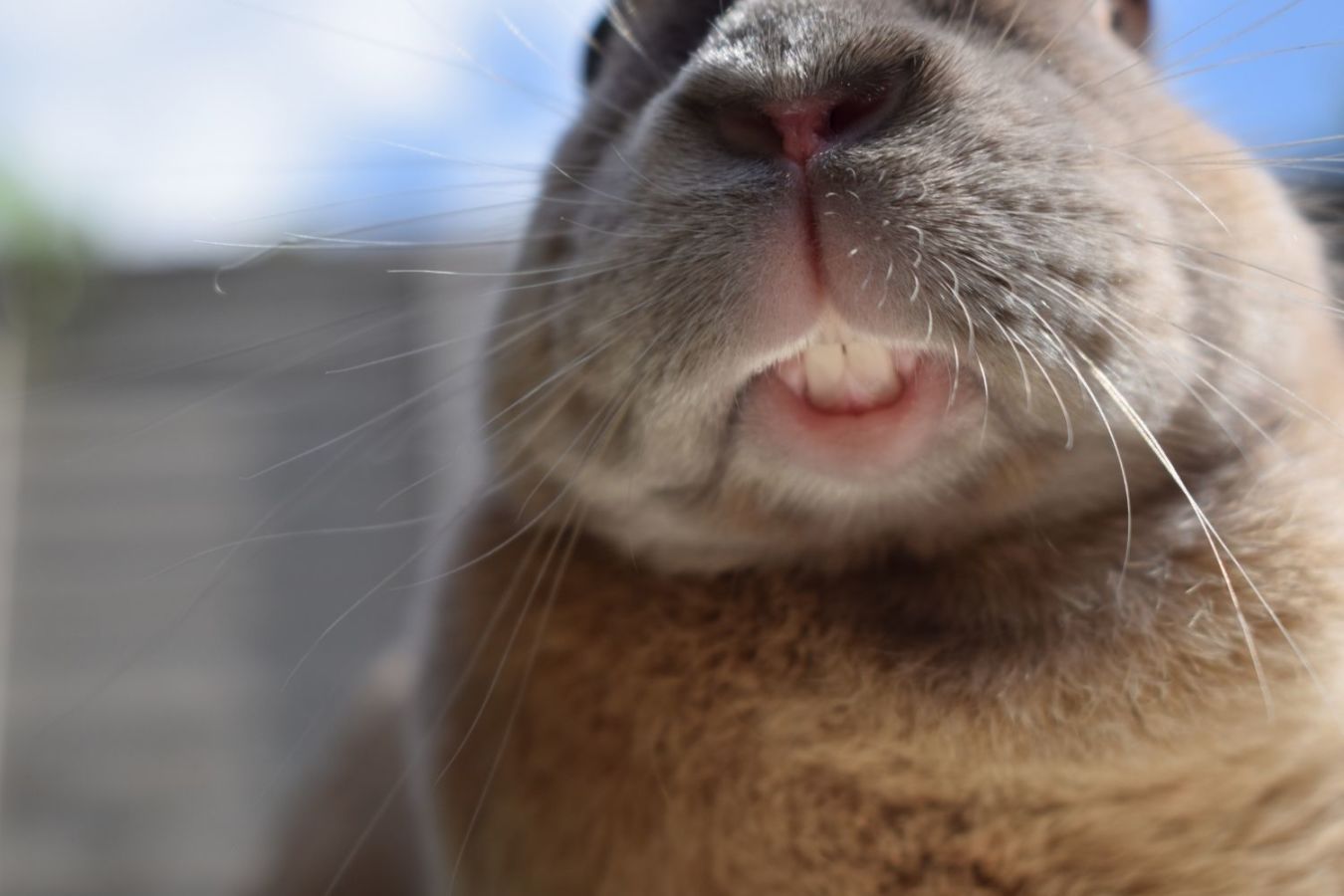
February marks Pet Dental Health Month, and dental disease is one of the most common health problems in rabbits. To help protect your rabbit’s teeth, we caught up with our in-house Vet, Dr Lucy Robson, to explain what causes dental disease and how you can prevent it.
Understanding Rabbit Teeth
Rabbits’ teeth are broadly divided into incisors (front teeth) and cheek teeth (premolars and molars). Unlike our teeth, rabbit teeth are elodont, meaning they grow continuously throughout their lifetime.
In fact, rabbit teeth grow approximately 1-2.4mm per week. Because of this constant growth, their diet plays a crucial role in maintaining their teeth correctly.
What causes dental disease in rabbits?
Dental disease is extremely common in rabbits. While research hasn’t identified a single cause, dental disease in rabbits is thought to be linked to:
- Genetics
- Imbalances in calcium and vitamin D
- Dental or jaw trauma
- And most importantly, an improper diet
Poor nutrition is considered the biggest contributing factor to rabbits’ teeth health. Diets low in fibre and lacking in abrasive texture don’t allow teeth to wear down naturally.
Wild rabbits spend a large portion of their day chewing different grasses and plants, which helps keep their teeth at a healthy length. In contrast, pet rabbits are often provided pellets, which can be consumed within several minutes and don’t offer the same rough texture as their natural diet.
When teeth don’t wear properly, overgrowth can occur. Spikes and hooks can form, cutting into the tongue and cheek and lead to painful sores. A domino effect may then follow, where the rabbit avoids eating hay due to the pain, which further worsens the issue.
This can quickly lead to secondary digestive problems caused by the lack of fibre, such as bloat, abdominal pain and lack of faeces (rabbit gastrointestinal syndrome, formerly known as gut stasis).
How to prevent dental disease in rabbits
Dental disease is largely preventable with the right diet. Rabbits should be fed a diet high in fibre to support both dental and digestive health. Chewing fibrous foods, such as hay, other forage materials, and carrot slices for rabbits, encourages natural jaw movement and proper tooth wear.
The recommended ratio of a rabbit’s diet:
- 85-90% mixture of hay types
- 5% fresh produce
- 5% forage or natural chews
Appropriate chews such as dandelion roots, apple sticks and pear sticks provide the right abrasive texture while remaining gentle on the gut. They also offer valuable mental enrichment, keeping your rabbit occupied for longer.
Regular veterinary check-ups are also recommended, as dental issues can develop even with good nutrition.
By prioritising good nutrition and encouraging natural chewing behaviours, you can help keep your rabbit’s teeth healthy for life.
12 February 2026