
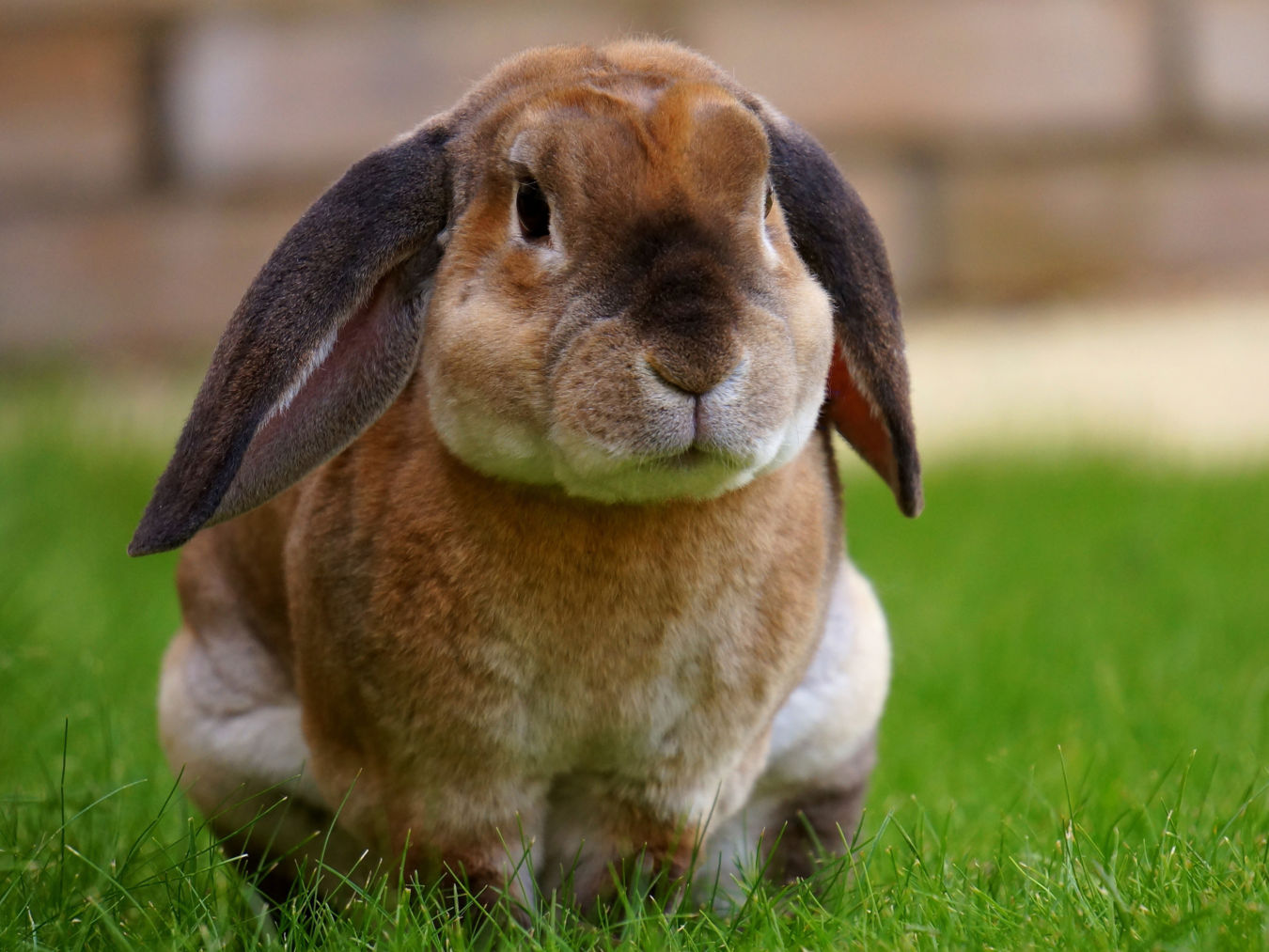
Rabbit Awareness Week is an excellent opportunity to learn more about our favourite fluffy friends and how we can ensure they are happy and healthy. This year’s theme is Happy Hoppy Home, and our resident vet, Dr Lucy Robson, has some brilliant advice to make sure your home is ideal for some bunny companions.
Rabbits have welfare requirements that must be met in order to be happy as pets. These relate to the size of their enclosure, companionship, provision of appropriate nutrition and the freedom to express natural behaviours. Take a look at some of her guidance below, which may help those planning to take in some rescue pets or further educate those already bunny parents.
-
Rabbits should come in pairs, as a minimum! Social companionship with another rabbit is fundamental for the welfare of that rabbit. Unfortunately, humans and other animals cannot communicate in the same way as rabbits do, which leads to loneliness and higher stress levels in a single rabbit.
-
Rabbits require a lot of space! The minimum space per rabbit pair is 3m x 2m by 1m high, as recommended by the Rabbit Welfare Association & Fund. It doesn’t matter if the enclosure is indoors or outdoors, both can be suitable as long as they are large enough!
-
Within the enclosure, rabbits need space to hide and feel safe. As prey species, they can naturally feel stressed when exposed, so tunnels and hides are necessary for keeping stress levels low.
-
In the wild, rabbits spend a lot of time foraging for food, digging and maintaining the warren. This means they need to keep busy! Enrichment in the enclosure, such as forage, snuffle mats, treat balls, etc, helps prevent boredom.
-
All animals need a good diet for optimal health. Rabbits require a diet high in fibre, low in protein and carbohydrate. Fibre requirements are met by the provision of hay and grass. Hay needs to be given ad libitum (without limits!)
-
Fresh herbs, vegetables, weeds, and plants suitable for rabbits must be offered to add variety. Fruits should generally be avoided unless used for training purposes, as they are too high in sugar.
-
Pellets are not necessary for a complete diet, but can be added in small amounts to provide all required vitamins and minerals and to prevent selective feeding – the rule of thumb is 20g/kg of rabbit per day.
For further guidance on providing the best care for your fluffy companions, check out the Rabbit Welfare & Association Fund.
19 June 2025